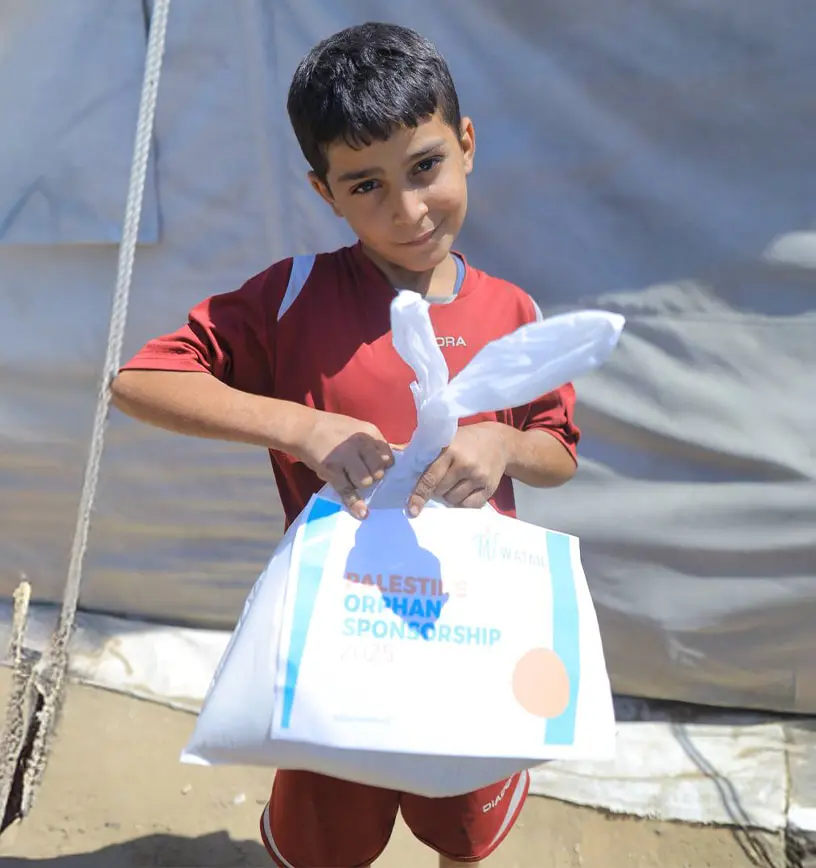
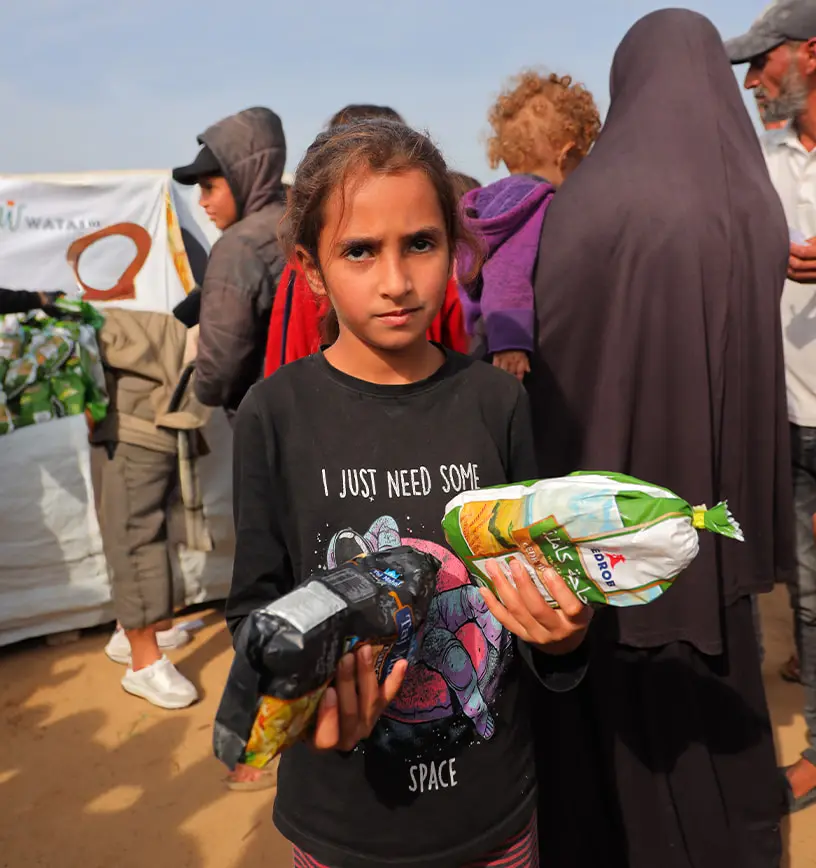
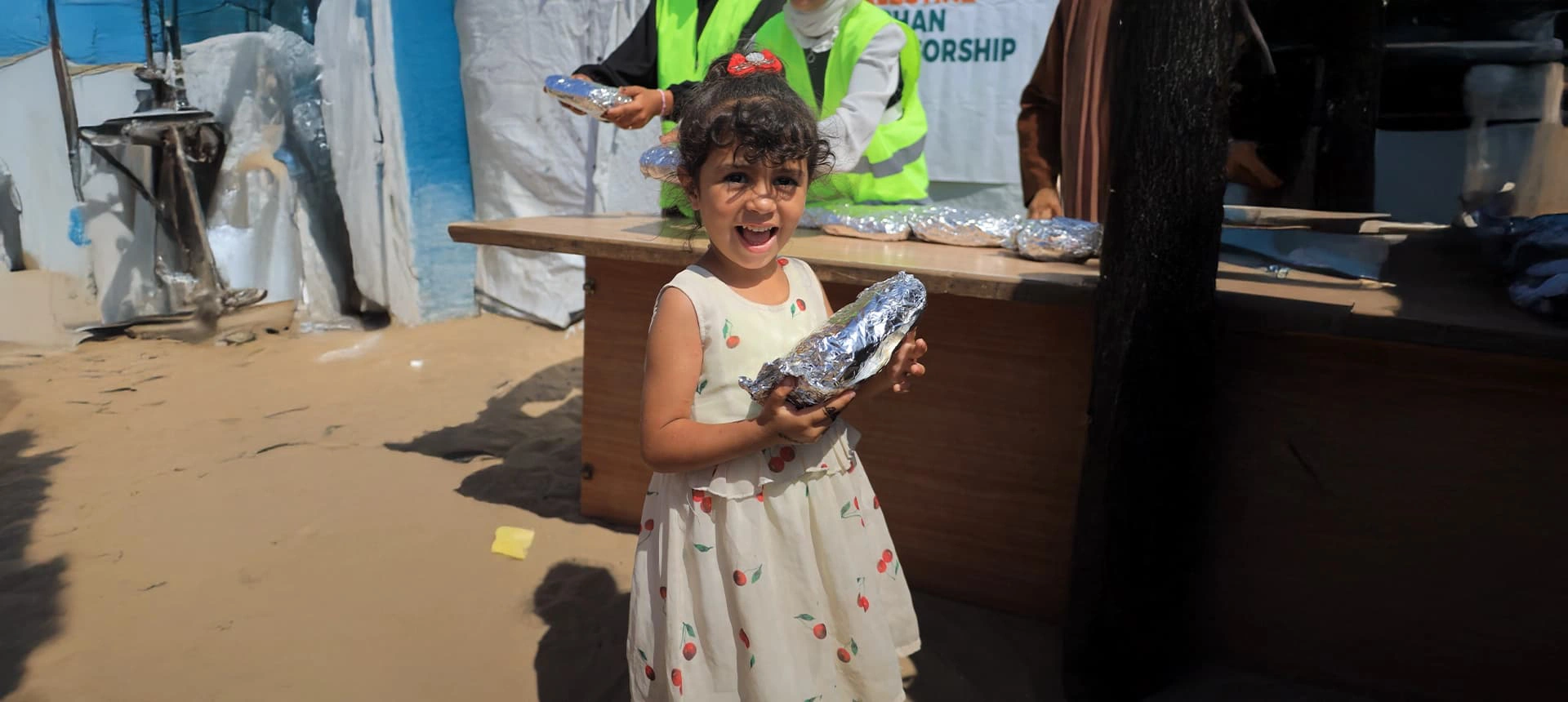
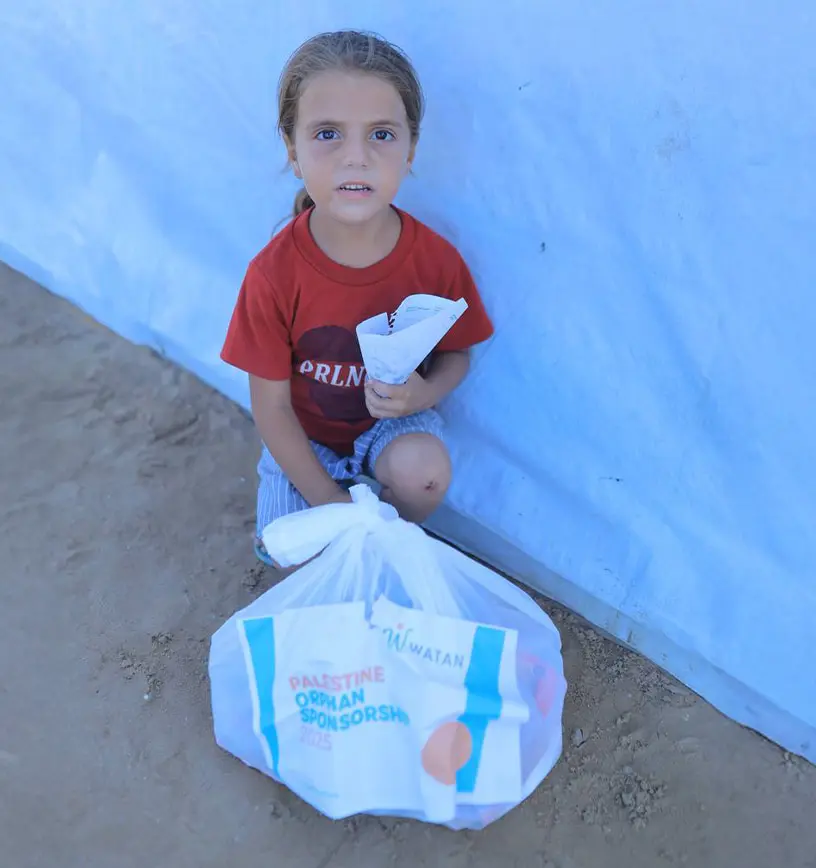
Donating to Gaza means sending direct aid to a population trapped in one of the world’s worst humanitarian crises. It’s not a symbolic gesture. Since 2023, more than 2.3 million people in Gaza have lost access to water, food, and medical care. Most organizations working there operate through UN-controlled humanitarian corridors. Every dollar counts—and the needs remain immense in 2026.
Why donating for Gaza remains urgent in 2026
Gaza is experiencing the worst humanitarian crisis in its recent history. According to OCHA, the UN’s humanitarian coordination office , more than 90% of the population has been displaced at least once since October 2023. Hospitals are operating at only 10% of their capacity. Children account for nearly half of the civilian casualties. Families who remain lack access to a stable supply of drinking water. And aid convoys are arriving in insufficient numbers. This is not a crisis being resolved—it is a crisis that is worsening.
What the numbers really say about Gaza
The data is clear. In 2024, the World Food Programme estimated that 7 out of 10 Gazans were experiencing severe hunger. Approximately 1.7 million people were living in makeshift shelters—tents, ruins, tarpaulins. A hot meal for a family costs less than $3 USD locally, but distribution networks are underfunded. Organizations like Watan France work with local partners to reach families that large agencies miss. This isn’t just an abstract figure. It’s a mother in Rafah who hasn’t eaten for two days so that her children can eat.
Who is suffering the most in Gaza right now?
Children are paying the heaviest price. According to UNICEF, more than 17,000 children have been killed or injured since October 2023. Many have lost one or both parents. Infants are born in tents without clean water. Teenagers bear injuries—physical and otherwise—that they will carry for the rest of their lives. In Khan Younis, our team met 9-year-old Nour in January 2025. She was living with her grandmother in the ruins of a building. Her school was gone. So was her neighborhood.
Pregnant women facing the impossible
Pregnant women in Gaza face a real risk. Maternity wards have closed or are operating without basic supplies. The WHO reports that thousands of births take place without a trained midwife. Untreated complications kill. One in five women suffers from malnutrition. And newborns arrive in a world without water, without formula, without safety. These births don’t make the news. They happen every night, in the darkness.
The elderly and disabled, forgotten in the convoys
The elderly and people with disabilities are often the last to receive aid. Emergency convoys target mobile families. Those who cannot walk to a distribution point go without food. Some cannot flee during forced displacement. They stay. Our partners on the ground report people over 70 living alone in partially destroyed buildings, without regular contact with humanitarian teams.
Misconceptions about donating to Gaza
Many people think that donating to Gaza is pointless—that the money never arrives. This is untrue, but not without reason. The mainstream media covers convoy blockades. They give less coverage to successful deliveries. Local organizations work on the ground every week, with networks established before the crisis. Money that passes through these solid structures reaches families. Not always quickly. Not always easily. But it does arrive.
« Large NGOs are enough »
Large agencies like the World Food Programme (WFP) or the Red Cross do essential work. But they operate on a large scale. They reach the main camps, the accessible areas. Isolated neighborhoods—certain streets in Jabalia, certain sections of Rafah—remain beyond their reach. Smaller, locally based organizations reach these families. This isn’t a criticism. It’s a logistical reality that aid workers themselves acknowledge.
« A single donation changes nothing »
A one-time donation helps. But it’s consistency that makes the difference. Teams working in Gaza build distribution networks over several months. A steady supply allows them to plan. To stockpile. To return. A monthly donation—even $10—fits into a real operating budget. The teams working here don’t make the headlines. They come back every week. See how this work continues →
What the organizations on the ground are actually doing
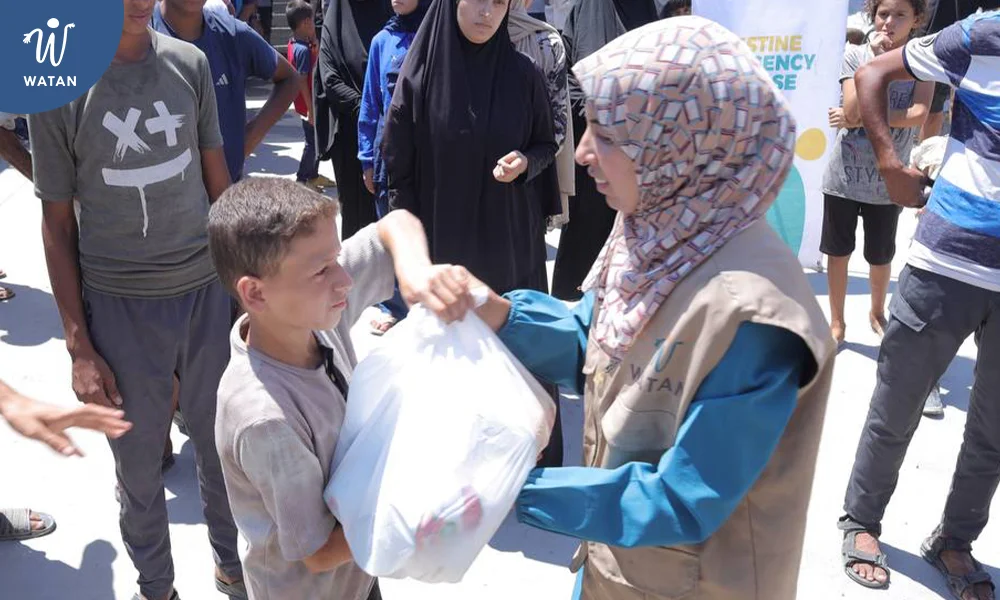
Humanitarian organizations in Gaza are operating under extreme conditions. They are distributing food, water, medical kits, and shelter.
What this means in practical terms for your donation
Gaza needs help now. But the need won’t disappear in six months. OCHA estimates that more than 2.2 million people still depend on outside aid to survive. The organizations on the ground—small, local, and responsive—are the ones reaching the isolated areas. Donating to Gaza means choosing where your money goes. It means choosing an organization that is accountable. It means making a difference that lasts beyond the headline.
How can you tell if an organization is actually working in Gaza?
A reputable organization publishes its field reports. It names its local partners. It presents figures—families helped, kits distributed, water points installed. If a website remains vague, be wary. Teams working in Gaza produce regular updates. They have contacts on the ground. They can answer your questions. This minimum level of transparency distinguishes a credible organization from a fundraiser with no real presence.
When is the right time to get involved?
There’s no good time to wait. Humanitarian crises don’t stop between media cycles. UNICEF reports that the need for water, food, and healthcare remains critical regardless of press coverage. Getting involved now—even in a small way—is part of an ongoing effort. Teams on the ground plan months in advance. They need to know that support continues, not just when the images are shocking.
Some people are interested in Gaza for the duration of a headline. Others stay. It’s these latter who allow the teams to return every week. At Watan France, we’re among those who stay. The work doesn’t stop when the cameras leave. It continues, discreetly, rooted in long-term relationships built on the ground. See how this work continues →